Physical Address
304 North Cardinal St.
Dorchester Center, MA 02124
Physical Address
304 North Cardinal St.
Dorchester Center, MA 02124

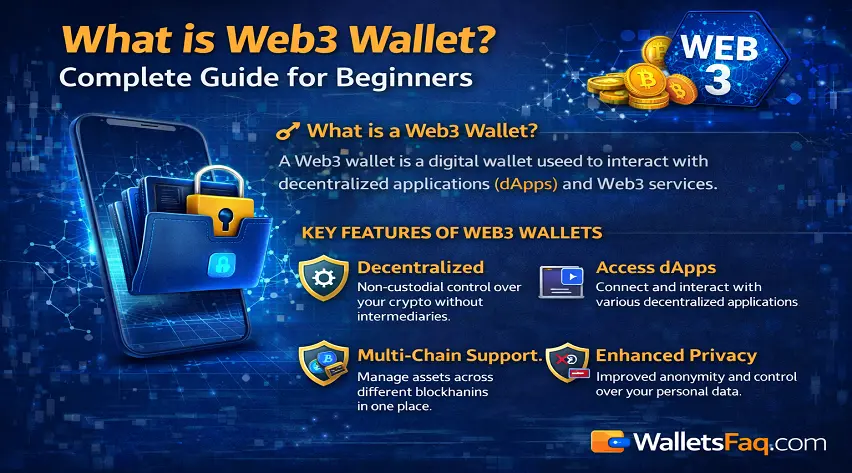
The evolution of the internet has led to the introduction of many things that were completely unknown to the world. Now, it has completely transformed into a decentralized ecosystem. In this ecosystem, there is an essential tool known as the web3 wallet that helps in the management of digital assets while letting you establish an interaction with the blockchain-based applications.
Doesn’t matter whether you’re just exploring crypto, DeFi, or NFTs; it is important to understand how Web3 wallets work, what they are, and other related aspects. So, without further ado, let’s move ahead to learn more about the future of the internet.
Well, it is a digital wallet that allows you to send, receive, and store digital currencies or cryptocurrencies. Besides that, these wallets also help you in interacting with the decentralized applications, aka dApps. These wallets work completely opposite to traditional wallets. These wallets give you complete control over your digital assets without letting you rely on banks or any other intermediaries. To put it simply, a Web3 wallet works as your gateway to the decentralized economy.
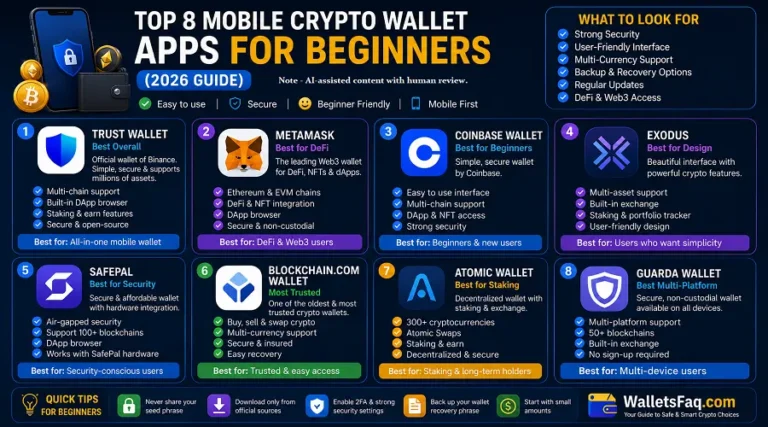
Example: MetaMask and Trust Wallet
To put it simple, it is important to understand that a Web3 wallet works using blockchain technology and cryptographic keys. If you wish to understand its complete working, there are 3 basic things you need to understand, which are as follows:
When you make a cryptocurrency transaction, you usually initiate it through your wallet, and the transaction is signed using your private key. Thereafter, this transaction is verified and recorded on the blockchain. The whole process not only ensures security and user control but also ensures transparency.
To understand Web3 wallets deeply, here are the types of wallets that you should know about:
Read – Hot wallet vs cold wallet explained: Which is better?
The decision of choosing the right wallet depends completely on the volume of the crypto you’re planning to trade, convenience, and security.
Being a crypto investor, you can enjoy the following features of the Web3 wallet. This wallet is not just a storage, but is also a powerful tool that lets you interact within the digital economy:
In order to set up a crypto wallet, you need to follow just a few simple steps, and it will take only a few minutes to complete the wallet setup process:
Security plays a significant role when it comes to safeguarding your funds. Since you will be the one responsible for controlling your funds, make sure to keep these best practices in mind:
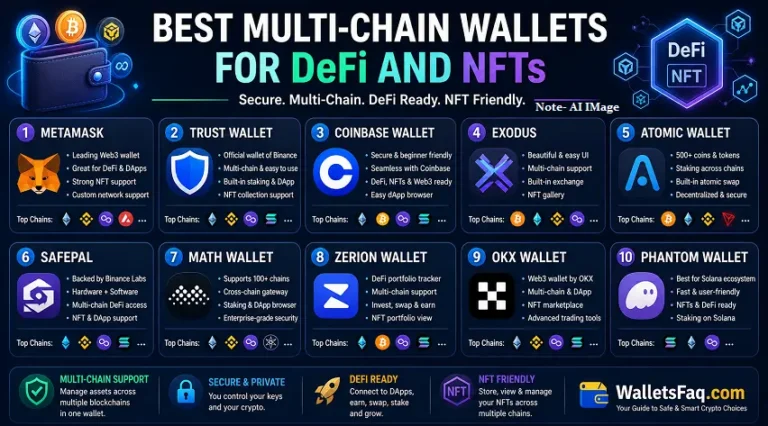
Among the many available options, you can consider going ahead with the following options when it comes to cryptocurrency security:
This article clearly explains how a Web3 wallet works as your key to accessing the decentralized internet. In addition to letting you manage your digital assets, it also lets you interact with NFTs and DeFi platforms. Moreover, such wallets give users complete control over their digital assets and finances. Since the usage of Web3 has grown manifolds in 2026, learning all of its related aspects can prove to be highly beneficial.